Understanding the Importance of Safety Barriers
Safety barriers are essential components in the construction and transportation sectors, serving as critical protective measures that enhance worker and public safety. They are designed to mitigate the risks associated with construction activities and roadway infrastructure, effectively preventing unauthorized access and safeguarding individuals from potential hazards. Various types of safety barriers, including concrete, metal, and flexible options, each serve distinct functions while contributing to the overall safety framework of a site.
Concrete barriers, commonly used on roadways, help redirect vehicles during accidents. They form a physical barrier that minimizes the impact force on both vehicles and pedestrians, significantly reducing the chances of injury. On the other hand, metal barriers, often employed on construction sites, not only signify restricted areas but also offer protection against falling objects and unauthorized entry. Flexible barriers, such as water-filled models, provide portable solutions that can be easily relocated according to site requirements.
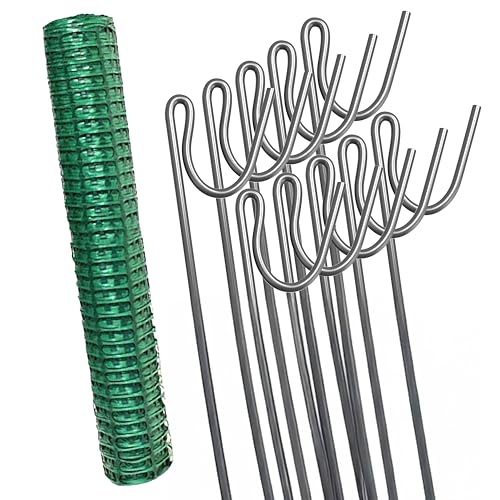
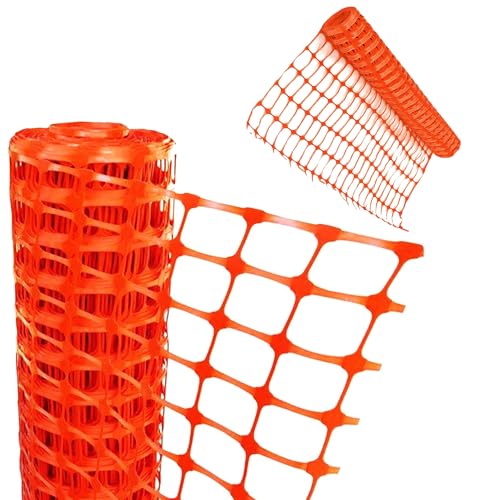

The implementation of safety barriers is not just a discretionary measure; it is crucial for regulatory compliance and adhering to industry standards. In the United Kingdom, various guidelines stipulate the necessary specifications for safety barriers, ensuring their effectiveness in managing risks. For example, the Health and Safety Executive (HSE) sets forth regulations that require specific barrier types for particular environments, emphasizing the importance of selecting the correct barriers based on site conditions.
Case studies demonstrate the undeniable role of effective safety barriers in accident prevention. An analysis of incidents across various construction sites indicates that sites employing robust barrier systems report significantly fewer accidents compared to those lacking them. Implementing appropriate safety barriers not only protects employees and the public but also fosters a culture of safety that can enhance a company’s reputation. Ultimately, the selection of suitable safety barriers is a paramount consideration for anyone responsible for managing construction environments and ensuring regulatory adherence.
Key Factors to Consider When Choosing a Safety Barrier Erector
When selecting a safety barrier erector in the United Kingdom, several critical factors must be taken into account to ensure that the selected contractor meets the specific needs of the project while maintaining high standards of safety and quality. One of the primary considerations is the experience and reputation of the company within the industry. A well-established contractor with a positive track record is more likely to deliver satisfactory results. It is advisable to seek references or reviews from previous clients to gauge their expertise and reliability.
The range of services offered by the safety barrier erector is also fundamental. Different projects may require various types of barriers and installation techniques, so it is essential to select a contractor that provides a comprehensive scope of services tailored to your requirements. In addition to installation, firms that offer maintenance and support services may provide added value and peace of mind.
Adherence to safety regulations is another crucial aspect when evaluating potential contractors. Ensure that the safety barrier erector complies with all industry standards and local regulations, as this will contribute to ensuring a safer environment for workers and the public. Contractors should be able to demonstrate their commitment to safety through proper certifications and training for their personnel.
The quality of the equipment and materials used is equally important. High-quality safety barriers not only meet regulatory requirements but are also more durable and reliable in protecting against potential hazards. Requesting detailed information about the materials used can help in assessing the longevity and effectiveness of the barriers.
Lastly, obtaining quotes and evaluating costs should be approached with caution. While it is important to consider budget constraints, it is equally crucial to avoid compromising on safety and quality. Choosing the right safety barrier erector should balance cost with the quality and safety of the services provided.
Evaluating and Comparing Safety Barrier Erectors in the UK
When selecting a safety barrier erector in the United Kingdom, a systematic evaluation process is crucial to ensure that your project is executed safely and efficiently. Start by preparing a checklist of key questions to ask potential erectors. Inquire about their experience in the field, including the types of projects they have handled, as well as their familiarity with specific safety standards and regulations pertinent to your project. It is also advisable to ask about their qualifications and certifications, which serve as indicators of their expertise and commitment to safety.
Conducting on-site visits is another effective method of assessing a safety barrier erector’s operations. During these visits, observe their current projects to gauge the quality of their work and the professionalism of their crew. Pay attention to how they handle safety protocols and whether they maintain proper communication among team members. Additionally, evaluate their use of equipment and materials—are they up-to-date and compliant with industry standards? Such observations can provide valuable insights into their efficiency and capability to meet your project’s demands.
Reviewing client testimonials and past projects is an important aspect of your evaluation. Look for feedback from clients regarding the reliability, timeliness, and workmanship of the barrier erector. Check online reviews and ratings but verify details through direct communication with past clients if possible. This firsthand information can lend credence to the testimonials and give you a clearer picture of what to expect. Lastly, clear communication of your specific needs and expectations to the potential erectors is essential. Ensure that you articulate your project goals, timeline, and any specific safety standards required. A good erector will welcome this dialogue and be willing to address any concerns you may have, ensuring that both parties are aligned from the outset.
Conclusion: Making an Informed Decision
In the realm of construction and safety management within the United Kingdom, selecting the right safety barrier erector is paramount. This decision not only influences the safety and effectiveness of your project but also plays a critical role in compliance with regulatory standards. Throughout this discussion, we explored various factors that should inform your selection process, including the erector’s experience, reputation, service offerings, and ability to tailor solutions to meet specific project needs.
Thorough research and due diligence are essential in ensuring that you partner with a safety barrier erector who understands the intricacies of your requirements. It is advisable to gather insights from past clients and evaluate case studies or references, which can provide a clearer picture of the erector’s capabilities. Moreover, assessing their approach to safety and their understanding of current regulations in the UK will further highlight their suitability to your project.
Once a decision has been made and a partnership established, maintaining a proactive relationship with the safety barrier erector is crucial. Regular communication and feedback can lead to continuous improvements in safety measures and responsiveness to evolving project dynamics. Establishing a collaborative dialogue ensures that both parties are aligned and can more effectively address any challenges that arise during the course of the project.
Ultimately, choosing the right safety barrier erector can lead to enhanced safety conditions on-site, reduced liability, and a greater commitment to maintaining high standards. By taking an informed approach throughout the selection process and fostering an ongoing relationship, you contribute to a culture of safety and compliance within your organization. This forward-thinking attitude will facilitate a safer work environment for everyone involved.
Contact information — Please use contact form on http://www.abshot.com/contact/